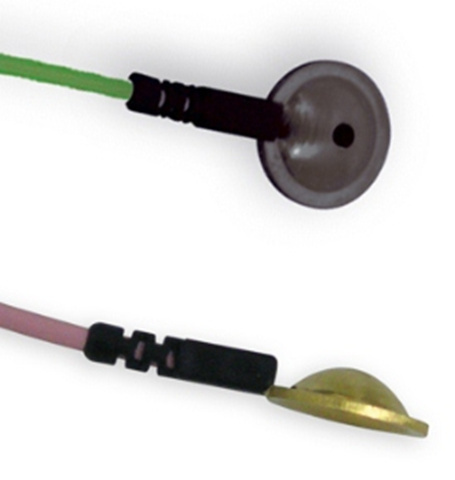
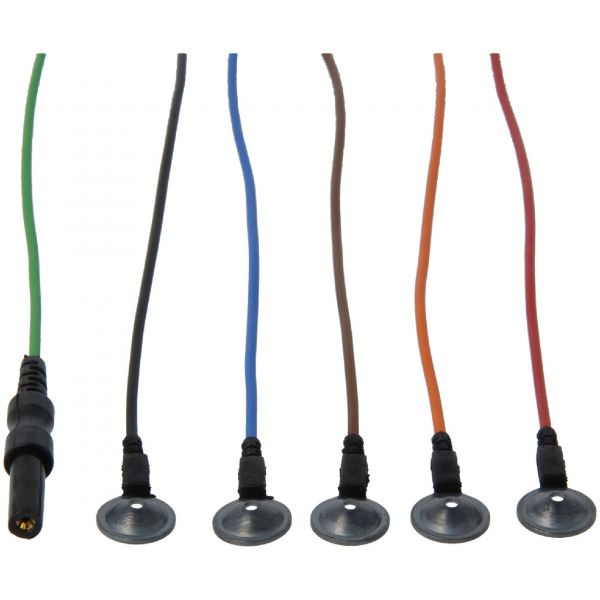
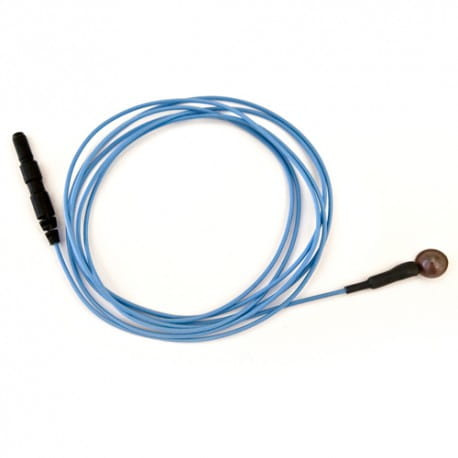
Standard cup electrodes, made of pure silver coated with silver chloride (Ag/AgCl), require no
regeneration (re-chlorination).
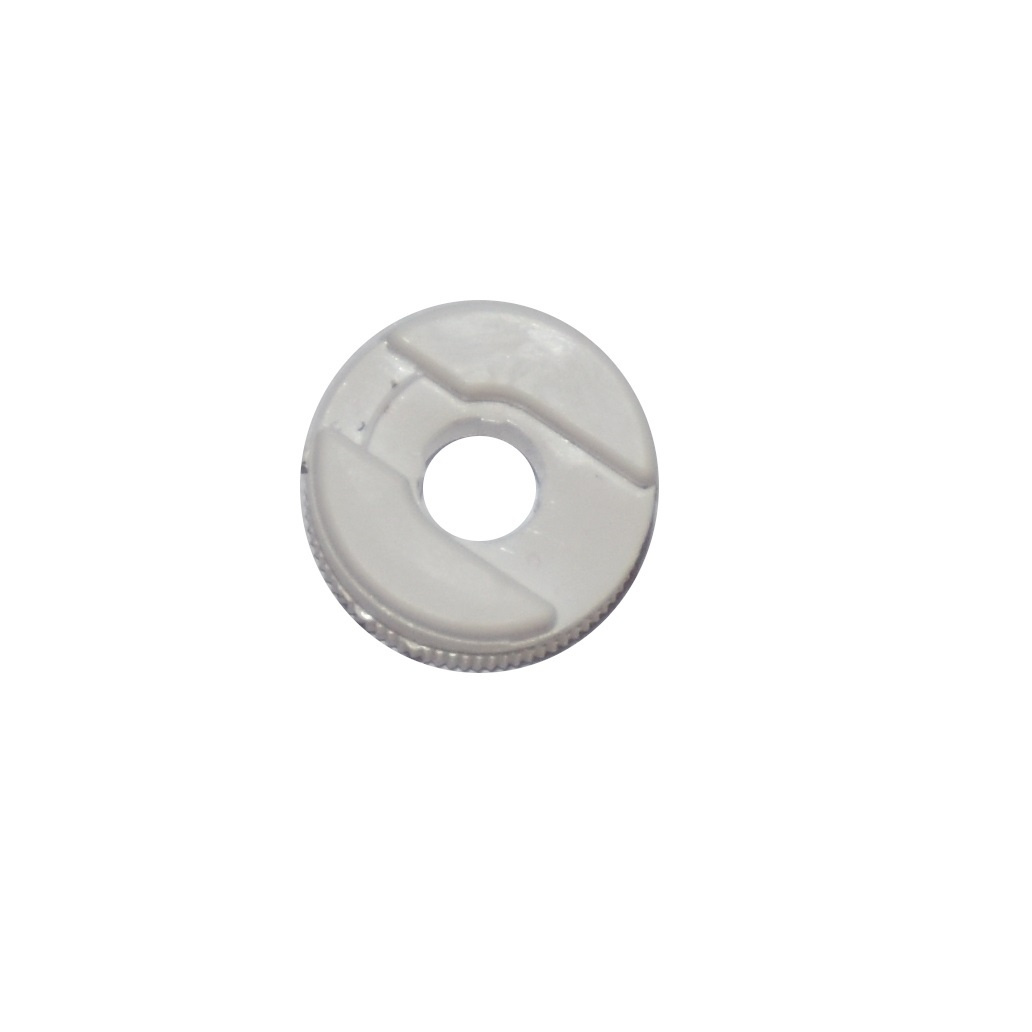
The 10 mm electrode is designed with optimal thickness, preventing bending.
A hole in the cap allows easy cable insertion. Heat-shrink protection prevents gel or water from
reaching the cable during cleaning, preventing corrosion.
High-quality, hypoallergenic electrodes, certified according to EN ISO 13485:2016 and CE marked.
EEG cup electrodes are advanced products designed for precise monitoring of the brain’s bioelectrical activity. Made from pure silver and coated with silver chloride, they offer exceptional durability and reliability. Their innovative design eliminates the need for re-chloridation, making them a practical choice for professionals. The built-in hole in the cap allows for easy cable attachment, while the heat-shrink protection prevents gel or water from contacting the wire, minimizing corrosion and extending electrode lifespan. These electrodes meet the highest quality standards and norms.
Clinical Applications of EEG Cup Electrodes
EEG cup electrodes are widely used in neurological diagnostics, patient monitoring after brain injuries, and research on nervous system function. Their design ensures stable contact with the scalp, enabling clear and precise signal acquisition. This allows for effective detection of abnormalities such as epilepsy or sleep disorders. When used with modern recording systems, EEG cup electrodes provide reliable performance even during long monitoring sessions while maintaining patient comfort.
Why Choose EEG Cup Electrodes?
Selecting the right cup electrodes affects measurement quality and patient comfort. These silver-chloride electrodes are fully skin-safe, making them suitable for patients prone to irritation. Their robust construction maintains shape, resists moisture, and requires no chemical maintenance. Integrated protections prevent gel or water from entering the cable, eliminating corrosion risk. EEG cup electrodes are ideal for routine clinical assessments as well as long-term brain activity monitoring.