Trauma
Stress
Attention disorder
Dyslexia
Dysgraphia
Improve communication skills
Improve learning ability
Behavioural issues
Mood control
Improve concentration
Improve coordination
Improve memory
Problems with sleeping
Prevent from the job burnout
TRAIN YOUR BRAIN AS OFTEN AS POSSIBLE
There is a very interesting relationship between the body and the mind, which has a determining impact on the results we achieve:
If our body is able to do something and the mind thinks it is not ready for it or is afraid of it, then the mind will sabotage our actions and will do everything to prevent our actions from being successful. Here we can say that the brain is our enemy, however, we are able to tame it through Mental Training or neurofeedback Training
neurofeedback Training helps align the mind and body to achieve goals.
Neurofeedback training is a powerful tool
to expand a person’s true potential and develop new ways to manage emotions effectively.
The training aims to make the mind more flexible and prepared for facing new challenges, ultimately leading to increased efficiency and relaxation.
Our brains as remarkable machines that possess their own feedback control mechanism for self-regulation. This natural ability allows the brain to adapt and enhance its performance. Easy neurofeedback is introduced as a means to further improve brain regulation. It works by closing the feedback loop and providing high-quality information to the brain’s control function, enabling the brain to self-regulate and enhance its functioning.
We can compare the process of self-regulation through neurofeedback to learning how to ride a bike with stabilizers. With practice, the brain becomes more adept at regulating itself, similar to how a person becomes proficient at cycling and no longer needs the stabilizers for support.
Thanks to training with Easy neurofeedback, you will unlock new possibilities, boost emotional management skills, and enhance the brain’s overall performance through self-regulation. You will experience that your brain can lead to greater mental flexibility, readiness for challenges, and improved efficiency and relaxation.

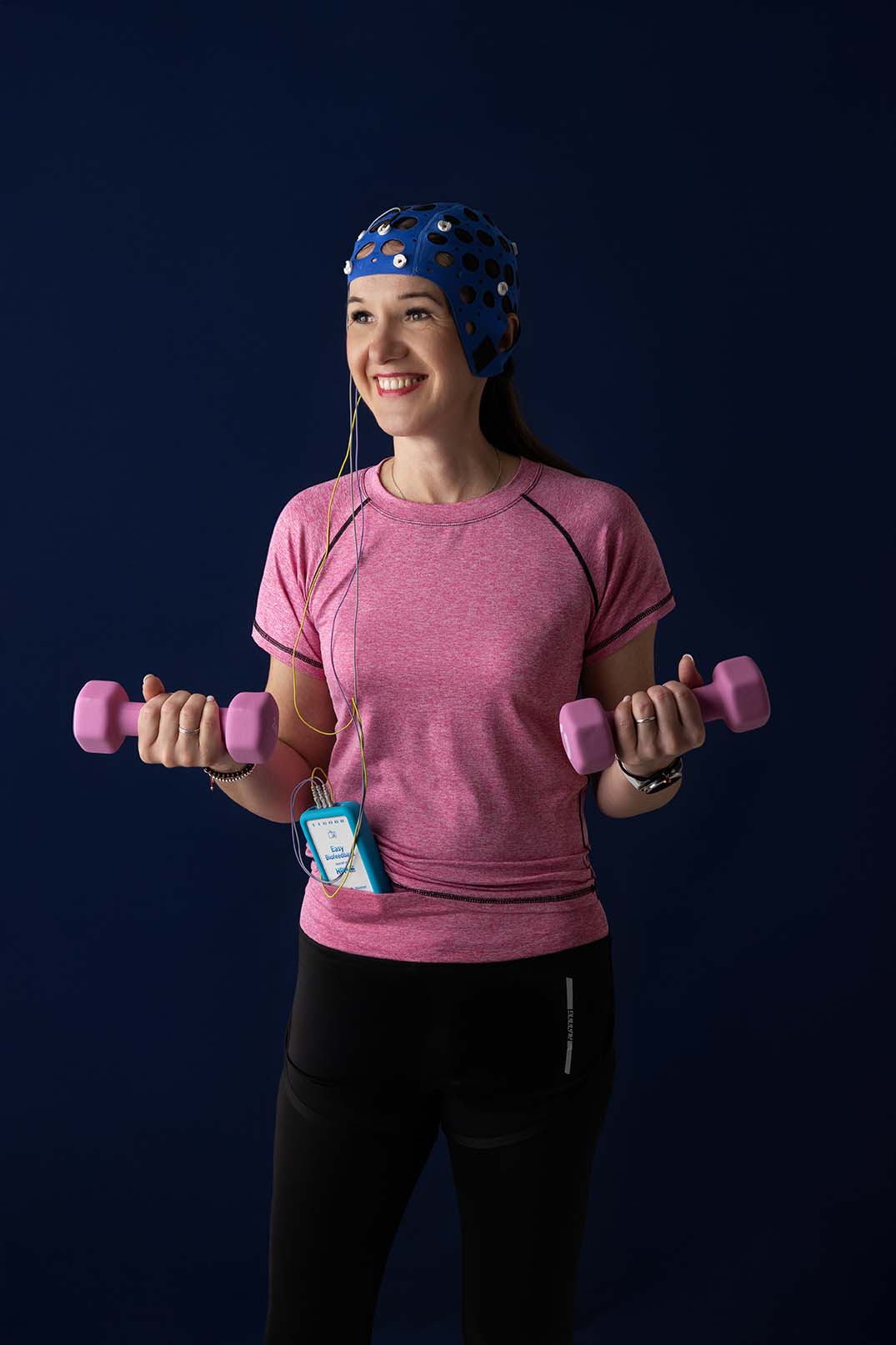
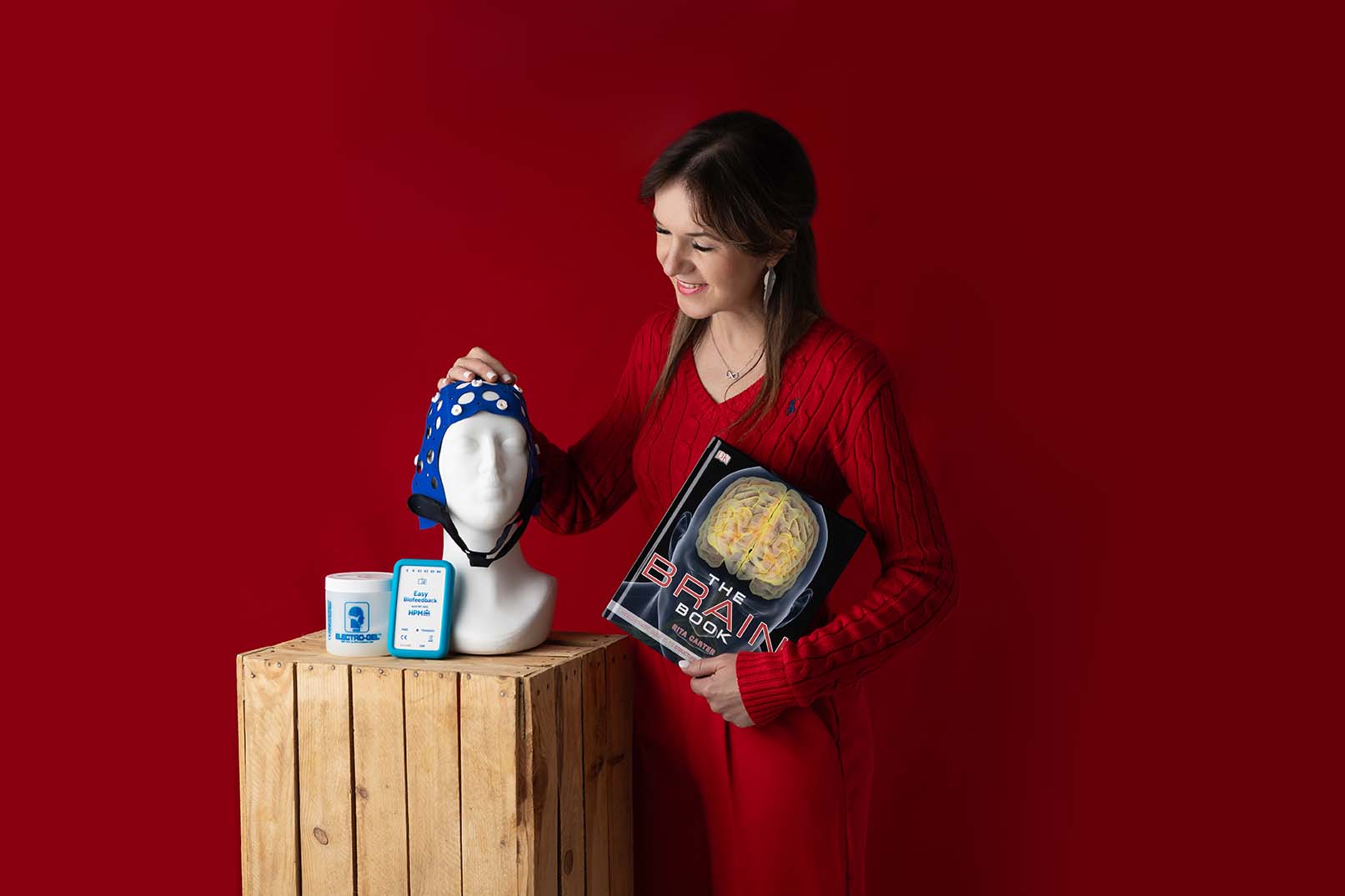
The treatments are completely safe. Unlike surgical procedures or medications, neurofeedback does not have any side effects. Brain activity is measured using electroencephalography (EEG), which involves observing tiny electrical signals in the brain waves. This data is then processed using sophisticated computer technology to provide direct feedback to the brain on its functioning, achieved through video software.
During the neurofeedback session, clients have the option to engage with the process by ‘playing’ video games with their brain or listening to their favourite music. The feedback system responds to the brain’s activity, and as a result, the video game or music experience may change in size, speed, or volume. The key aspect is that the client doesn’t need to consciously think about the process; it all occurs subconsciously. As a result, neurofeedback is suitable for both very young children and adults alike.
The treatment encourages relaxation, allowing the brain to utilize its own ability to self-regulate. The uniqueness and success of Easy neurofeedback lie in obtaining information directly from the brain and providing real-time feedback to the client’s senses.
The subconscious nature of the treatment makes it accessible to people of all ages.
Easy neurofeedback is a learning process, and the rate at which individuals learn varies from person to person. The ideal training frequency is determined by what an individual can handle without over-training. Some people may require around 20 sessions, while others may need 30 or more. It is mentioned that 30 sessions are the minimum number expected to achieve permanent results.
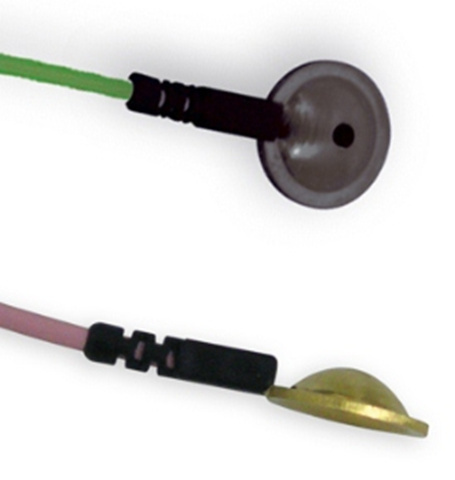
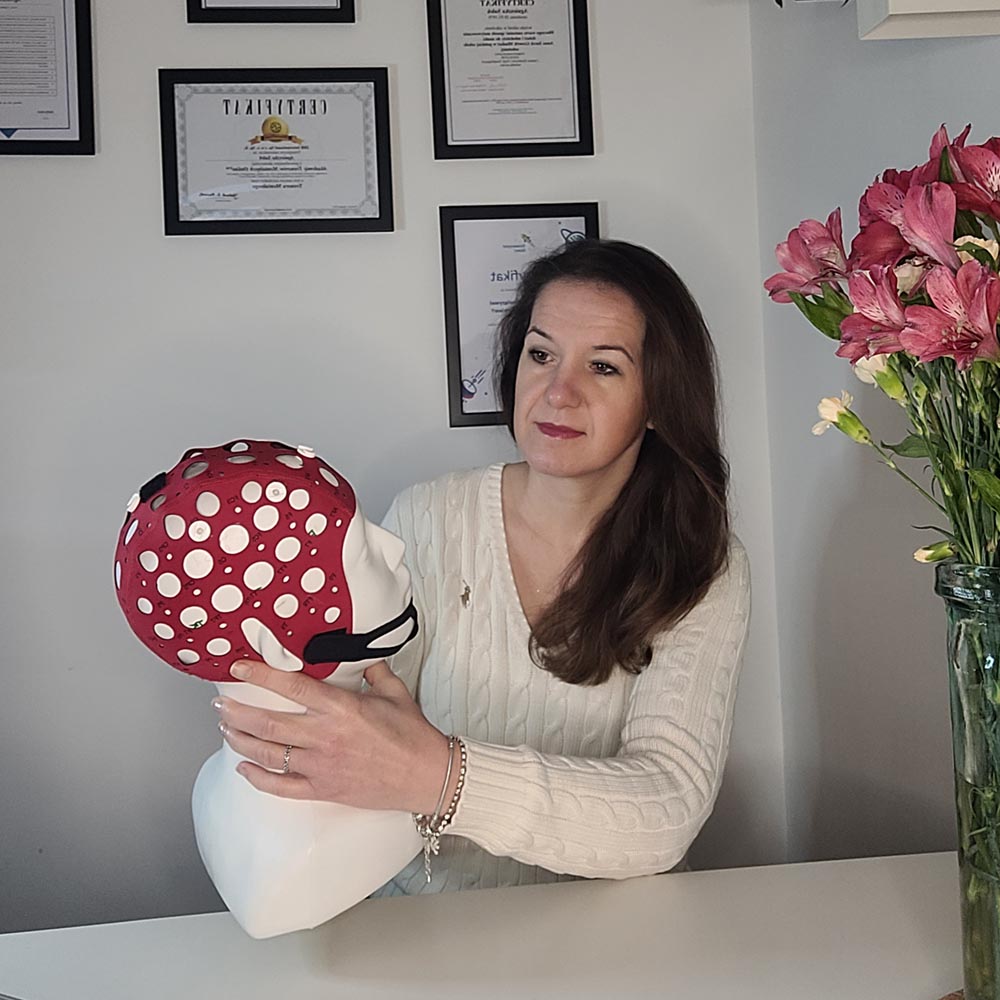
Having electrodes attached to your scalp can be a concern for some people. I can assure you there is nothing to worry about. The process is painless and poses no risks. The equipment used for neurofeedback is designed solely to pick up and record the brain’s normal activity, without any transmission of signals into the brain.
The success of Easy neurofeedback lies in obtaining direct information from the brain and providing real-time feedback through the senses.
Easy neurofeedback is a safe alternative to medication.
Research has demonstrated that, unlike medication which only works whilst it is being taken, regular neurofeedback training can provide lasting benefits. We believe this is because neurofeedback brain training provides the brain with the feedback it needs to make permanent corrections itself, whilst medication simply controls the symptoms.
neurofeedback has never harmed anyone, unlike medication which has unpredictable side effects which can be as serious as death, either directly due to a reaction to the medication or suicidal thoughts brought on by the medication tragically acted out.
History
neurofeedback was born in the 1960s in the training centre of NASA. It was used to train the astronauts and pilots, who were forced to do many unusual and complicated actions in a highly stressful environment.
Barry Sterman discovered the clinical potential of neurofeedback in the early 1970s, but for many years the equipment was highly complex, large and located in university research laboratories. This made it inconvenient for patients and cost millions to own and operate. And video game technology was non-existent, or very basic, and so the feedback experience was not stimulating for the trainee. Barry Sterman pioneered the use of Neurofeedback as therapy, after he discovered by accident that training certain brainwaves in laboratory cats reduced their susceptibility to seizures. He then replicated this research in monkeys and then humans, in 1972 he published a paper describing how he used Neurofeedback to stop a human having severe epileptic grand mal seizures.
In Poland the first neurofeedback was established by a company called Daymed in 2006, and since it is used by:
– army
– police
– GROM
– sport (e.g. cycling, ski jumping, tenis, archery)
| Dimensions | 40 × 70 cm |
|---|---|
| Packages | Pay as you go, 5 visits, 10 visits, 15 visits, 30 visits |